
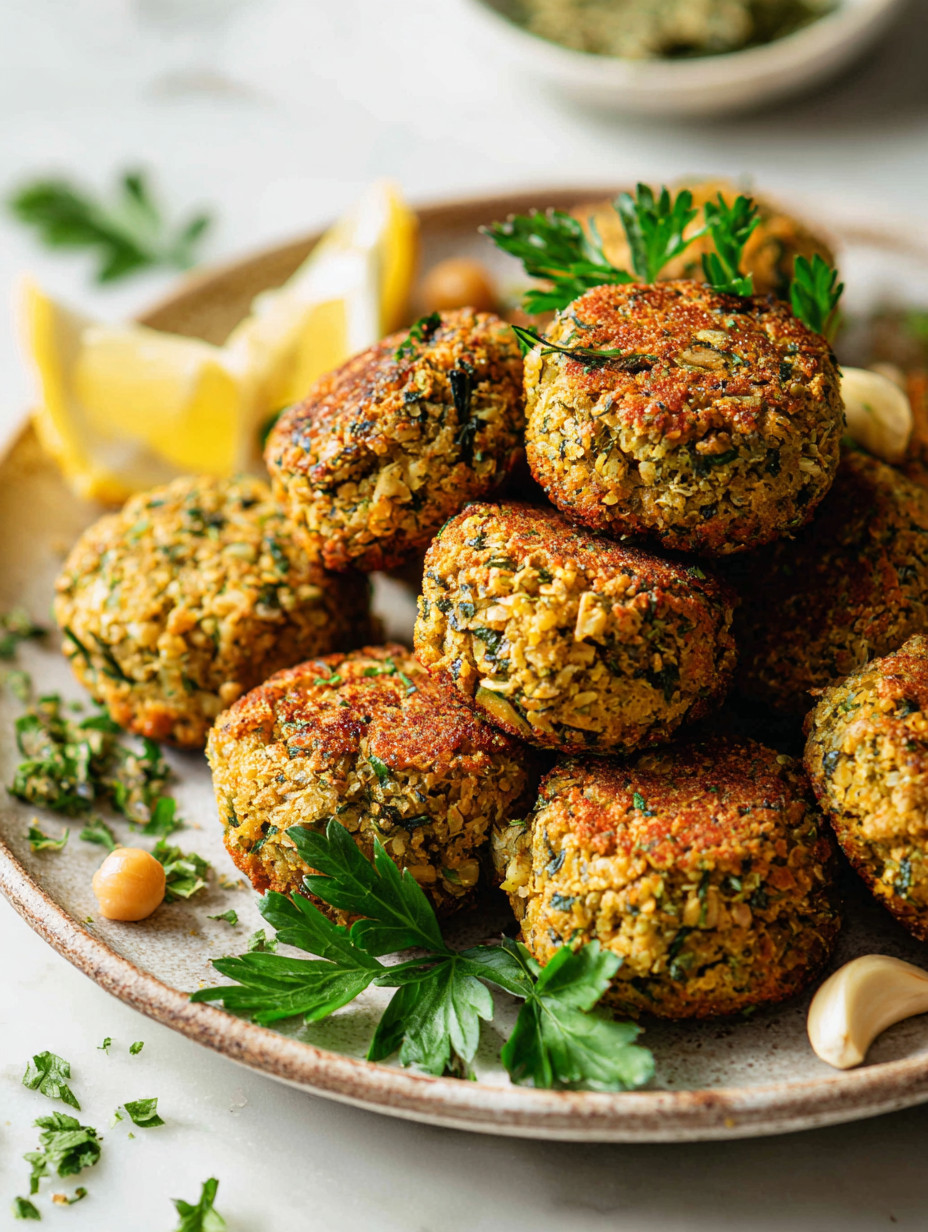
Switching from fried to baked falafel was a revelation in my kitchen. The smell of cumin and garlic filling the air, without that heavy oil aroma, feels like a small victory each time. It’s also a lot easier to keep control over the texture—crisp on the outside, tender inside—without the risk of oil splatters.
Baking might sound like a compromise, but honestly, it’s a game changer. You get all the flavor and satisfying bite, but with a fraction of the guilt and mess. Plus, it’s a great way to make this Middle Eastern staple more accessible for weeknights when time and energy are limited.
Focusing on the surprising ease and health benefits of baking falafel instead of frying, making it accessible for weeknight dinners without sacrificing flavor.
The story behind this recipe
- This recipe came together one rainy afternoon when I was craving something warm and filling but didn’t want to deal with the mess of frying. I remember the first batch coming out with a surprisingly crispy exterior and tender inside, and thinking, why not bake these more often?
- It’s not just about health or ease—it’s about reclaiming the joy of making something from scratch without the chaos. Baking gives me control over the process, and I love that the house fills with that toasty, cumin-scented aroma without the overwhelming smell of oil.
Ingredient breakdown: key components
- Chickpeas: I prefer canned for convenience, but dried work better if soaked overnight. They give the falafel a hearty, earthy flavor and a firm texture that holds up well when baked.
- Fresh parsley and cilantro: Their bright, herbal aroma really lifts the flavor. If you’re out, a pinch of dried herbs can work, but the fresh stuff makes a noticeable difference in vibrancy.
- Garlic: It’s the punch that keeps the falafel lively. Use fresh, minced garlic—roasted garlic can mellow but loses that pungent kick, so add it if you want a softer background note.
- Cumin and coriander: These spices are what give the falafel that warm, smoky depth. Toast the seeds lightly before grinding for a more intense flavor, or use pre-ground if you’re in a rush.
- Sesame seeds: I sprinkle these on before baking for a nutty crunch and to mimic that traditional look. You can skip or substitute with crushed pistachios for a different texture and flavor punch.
- Baking powder: Just a pinch helps the falafel rise slightly and stay airy inside. If you forget it, they might be denser but still tasty—just a little less fluffy.
- Olive oil: Brushed on before baking, it encourages browning and adds a subtle richness. Use a good quality oil for the best flavor, or a neutral oil if you prefer a milder taste.
Spotlight on key ingredients
Chickpeas:
- I prefer canned for convenience, but dried work better if soaked overnight. They give the falafel a hearty, earthy flavor and a firm texture that holds up well when baked.
- Fresh parsley and cilantro: Their bright, herbal aroma really lifts the flavor. If you’re out, a pinch of dried herbs can work, but the fresh stuff makes a noticeable difference in vibrancy.
- Garlic: It’s the punch that keeps the falafel lively. Use fresh, minced garlic—roasted garlic can mellow but loses that pungent kick, so add it if you want a softer background note.
Spices and Seeds:
- Cumin and coriander: These spices are what give the falafel that warm, smoky depth. Toast the seeds lightly before grinding for a more intense flavor, or use pre-ground if you’re in a rush.
- Sesame seeds: I sprinkle these on before baking for a nutty crunch and to mimic that traditional look. You can skip or substitute with crushed pistachios for a different texture and flavor punch.
Notes for ingredient swaps
- Canned Chickpeas: I prefer canned for convenience, but dried soaked overnight give a nuttier flavor and firmer bite. Swap accordingly.
- Fresh Herbs: Parsley and cilantro make a bright, herbal note. Dried herbs can be used in a pinch but won’t have the same vibrancy.
- Garlic: Fresh minced garlic provides punch. Roasted garlic softens and sweetens, so use if you want a milder, caramelized flavor.
- Spices (Cumin & Coriander): Toast before grinding for more depth. Pre-ground works fine but less aromatic.
- Sesame Seeds: For crunch and traditional look, sprinkle before baking. Crushed pistachios can add a different nutty twist if you like.
- Baking Powder: Helps with rise and fluffiness. Skip if you prefer a denser falafel, but texture might be slightly different.
- Olive Oil: Brushed on top for crispness. Use a neutral oil for a subtler flavor or if you prefer less pronounced olive aroma.
Equipment & Tools
- Oven: To bake the falafel evenly and achieve crispness.
- Baking sheet and parchment paper: To prevent sticking and facilitate even cooking.
- Food processor or blender: To pulse the chickpeas and herbs into the right texture.
- Spatula or hands: To shape the mixture into balls or patties.
- Pastry brush or spray: To lightly coat with olive oil for browning.
Step-by-step guide to baked falafel
- Preheat your oven to 200°C (390°F). Gather a baking sheet, parchment paper, and a food processor or sturdy blender.
- Drain and rinse a can of chickpeas. Pat dry with a towel; you want them relatively dry for better binding.
- In the food processor, pulse the chickpeas until coarse but not completely pureed—about 10-12 pulses. Scrape down sides.
- Add 3 cloves of minced garlic, a handful of chopped parsley and cilantro, 1 tsp cumin, 1/2 tsp coriander, 1/4 tsp baking powder, and a pinch of salt. Pulse a few more times to combine.
- Check the mixture: it should hold together when pressed but not be pasty. If it’s too crumbly, add a teaspoon of water. If too wet, add a little more chickpea or breadcrumbs.
- Using your hands, form the mixture into small balls or patties, about 2 inches in diameter. Place on prepared baking sheet lined with parchment.
- Brush or spray the falafel with a light coating of olive oil. Sprinkle with sesame seeds if desired.
- Bake for 20-25 minutes, turning halfway through, until golden brown and crispy around the edges. The smell of toasted spices should fill the kitchen.
- Once baked, let the falafel rest for 5 minutes on the tray. They firm up a bit as they cool, making them easier to handle.
- Serve warm with your favorite dip or in a pita with veggies and tahini.
Allow the baked falafel to rest for 5 minutes before serving. This helps firm them up and prevents crumbling. Serve with a squeeze of lemon, fresh herbs, or your favorite sauce.
How to Know It’s Done
- Falafel are golden and crisp on the outside, not pale or soggy.
- They have a slight jiggle but hold shape when pressed—not too soft or crumbly.
- The aroma is fragrant with cumin, garlic, and toasted herbs, signaling doneness.
Baked Falafel
Ingredients
Equipment
Method
- Preheat your oven to 200°C (390°F). Line a baking sheet with parchment paper and set aside.
- Drain and rinse the canned chickpeas thoroughly, then pat them dry with a towel to remove excess moisture.
- Place the chickpeas into a food processor and pulse until they break down into coarse crumbs, about 10-12 pulses. You want some texture but no large chunks.
- Add the minced garlic, chopped parsley and cilantro, cumin, coriander, baking powder, and a pinch of salt to the chickpeas. Pulse a few more times until combined but still chunky enough to hold together.
- Check the mixture: it should hold when pressed but not be too sticky. If it's too crumbly, add a teaspoon of water; if too wet, sprinkle in a little more chickpeas or breadcrumbs.
- Using your hands, shape the mixture into small balls or patties about 2 inches in diameter. Place them evenly spaced on the prepared baking sheet.
- Brush the tops of the falafel with a light layer of olive oil, helping them brown evenly. Sprinkle sesame seeds on top for added crunch and authentic look.
- Bake the falafel in the preheated oven for 20-25 minutes, turning them halfway through, until they are golden and crispy around the edges.
- Once baked, remove the falafel from the oven and let them rest for 5 minutes. They will firm up slightly as they cool, making them easier to handle.
- Serve these warm, with your favorite dips, in pita bread, or alongside a fresh salad. Enjoy the crispy exterior and tender inside of your homemade baked falafel!
Pro Tips for Perfect Falafel
- Bolded Mini-Head: Use a light touch when pulsing the chickpeas. Over-processing can make the mixture too pasty.
- Bolded Mini-Head: Keep the mixture chilled if it feels too soft. Cold hands shape better, and it helps the falafel hold together.
- Bolded Mini-Head: Brush with oil just before baking. It promotes even browning and a satisfying crunch.
- Bolded Mini-Head: Add a splash of water if the mixture is too crumbly. A little moisture helps it come together.
- Bolded Mini-Head: Turn the falafel halfway through baking. This ensures a uniformly golden and crisp exterior.
- Bolded Mini-Head: Use parchment paper to prevent sticking and make cleanup easier. It also promotes even heat transfer.
- Bolded Mini-Head: Rest baked falafel for a few minutes before serving. This stabilizes their shape and improves texture.
Common mistakes and how to fix them
- FORGOT to drain chickpeas → Rinse and dry thoroughly for best texture.
- DUMPED in too much oil → Use a light brush or spray, not pouring oil over.
- OVER-TORCHED sesame seeds → Watch carefully; sesame burns quickly at high heat.
- MISSED the resting step → Rest baked falafel for 5 minutes for firm shape.
Quick fixes and pantry swaps
- When falafel sticks to the pan, splash with a little water and gently loosen.
- If mixture feels too wet, dump in a handful of breadcrumbs to absorb excess moisture.
- Over-torched sesame seeds? Shield with foil for the last 5 minutes to prevent burning.
- Forgot to preheat oven? Rest assured, increase temperature slightly and extend baking time as needed.
- When falafel lacks crispness, rescue with a quick 3-minute broil, watching closely for color and crackle.
Prep, store, and reheat tips
- Prep the chickpea mixture a day in advance; keep it covered in the fridge to let flavors meld and develop a richer, more cohesive texture.
- Store baked falafel in an airtight container in the fridge for up to 3 days. They stay firm, but the exterior may soften slightly; reheat in the oven for best crispness.
- Freeze baked falafel for up to 3 months. Wrap individually and store in a zip-top bag. Reheat directly from frozen in a 180°C (350°F) oven until hot and crispy, about 10 minutes, with a fragrant, toasted aroma emerging.
- Reheating produces a softer texture; for extra crunch, give them a quick flash under the broiler or in a hot skillet. Watch for charring, and listen for that satisfying crackle as they heat.
Top questions about baked falafel
1. Can I use dried chickpeas instead of canned?
Use canned chickpeas for convenience; soaking dried ones gives a firmer, nuttier bite. Rinse well to remove excess salt and debris.
2. Can I substitute dried chickpeas?
Yes, but soak them overnight and dry thoroughly before blending. Dried chickpeas need longer hydration for the right texture.
3. How long do I bake the falafel?
Bake at 200°C (390°F) for about 20-25 minutes until golden and crisp. Flip halfway for even browning.
4. Can I skip fresh herbs?
Use fresh parsley and cilantro for bright flavor. Dried herbs can work but won’t give the same vibrancy or aroma.
5. Can I freeze baked falafel?
Yes, you can freeze baked falafel in airtight containers for up to 3 months. Reheat in the oven for best crispness.
6. My falafel mixture is too dry or too wet. What do I do?
If mixture is too crumbly, add a teaspoon of water. If too wet, add more breadcrumbs or chickpea flour to firm it up.
7. Should I oil the falafel before baking?
Brush with olive oil before baking for a golden, crispy exterior. Use a spray for a lighter coating.
8. How do I prevent falafel from being soggy?
Ensure chickpeas are well drained and dried to prevent sogginess. Excess moisture makes them fall apart.
9. How do I know when falafel is done?
Check for doneness by looking for a golden crust, fragrant spices, and a firm but tender interior. It shouldn’t be too soft or burnt.
10. Should I puree or pulse the chickpeas?
Use a food processor for even blending, but pulse to keep some texture. Over-processing makes them pasty.
Baked falafel feels like a quiet win—less mess, less oil, but still full of flavor. It’s a simple comfort that’s perfect for busy nights or when you want something homemade with less fuss.
There’s something satisfying about pulling golden, crispy falafel out of the oven that makes the effort worth it. Plus, it’s a reminder that sometimes, baking can be just as rewarding as frying, without the greasy cleanup.

Hi, I’m Claire Dawson, and I’m the voice behind The Procrastinators Cookbook. Food has always followed me around, even when I was busy putting other things off. Somewhere between long café shifts, half-finished to-do lists, and meals cooked later than planned, I realized that food was the one thing I always came back to.