
Homemade meatball appetizers are the chaos and comfort of my kitchen. There’s something about rolling those tiny balls, each one a little imperfect, that feels like a messy family ritual—loud, lively, and full of flavor. They’re not perfect, but they’re honest, and that’s what makes them so special at gatherings.
These little bites have a way of bringing everyone in the house into the kitchen. I remember my grandma’s hands covered in flour, laughing as she shaped the meatballs, the smell of garlic and herbs filling the air. They’re more than just snacks—they’re stories, chaos, and warmth all rolled into one finger-licking package.
Focusing on how homemade meatball appetizers can be a nostalgic, chaotic family affair, highlighting their role as messy, imperfect, yet utterly comforting finger foods that bring people together in the kitchen.
Messy, Warm, Family-Style Bites
- I love how these meatballs turn out a little rustic, imperfect but full of soul.
- There’s a wild joy in the chaos of rolling and frying, knowing they’ll be devoured in minutes.
- Every time I make these, I remember my family crowded around the stove, laughter spilling over.
- These bites are messy, warm, and honest—just like the best family gatherings.
The story behind this recipe
This recipe for meatball appetizers came from a chaotic family dinner where everyone ended up rolling meatballs in the kitchen, laughing at their misshapen shapes. It’s a dish born out of that messy, joyful chaos—something that feels like a warm hug and a reminder that imperfect food has the most soul. Over the years, I’ve tweaked it to be quicker, punchier, and more forgiving for those moments when you just need comfort on a plate.
Fun Facts About Meatball Appetizers
- These meatball appetizers trace back to Italian-American families in the early 20th century, where small, bite-sized snacks became popular at gatherings.
- Historically, meatballs were a way to stretch cheaper cuts of meat, making them a humble yet hearty party food.
- In some regions, these little bites are called ‘polpette,’ but the concept of tiny, portable meat dishes spans many Mediterranean and Middle Eastern cuisines.
Key ingredients and tips
- Ground beef: I prefer a mix of chuck and sirloin for flavor and juiciness, but feel free to swap with turkey for a leaner bite—just watch for dryness.
- Breadcrumbs: I use day-old bread blitzed into crumbs, it gives a tender, light texture. Panko makes them even crispier, so go Panko if you want crunch.
- Garlic & herbs: Fresh garlic and parsley brighten the whole batch. If you’re out of parsley, basil or oregano still bring the zest—just keep it vibrant.
- Egg: Acts as the glue, keeping everything together. Skip it if you’re vegan—try a flaxseed or chia seed mix instead, but expect a softer bite.
- Cheese: Parmesan adds umami and a salty punch. Gouda or mozzarella can mellow the flavor—think about what vibe you want, sharp or creamy.
- Oil for frying: Use a neutral oil like vegetable or canola. If you want less mess, bake at 200°C (390°F) until golden, about 20 minutes.
- Seasoning: Salt, pepper, and a pinch of red pepper flakes bring the heat and depth. Don’t be shy—these bites should pop with flavor in every corner.
Spotlight on key ingredients
Ground beef:
- I prefer a mix of chuck and sirloin for flavor and juiciness, but feel free to swap with turkey for a leaner bite—just watch for dryness.
- Breadcrumbs: I use day-old bread blitzed into crumbs, it gives a tender, light texture. Panko makes them even crispier, so go Panko if you want crunch.
- Garlic & herbs: Fresh garlic and parsley brighten the whole batch. If you’re out of parsley, basil or oregano still bring the zest—just keep it vibrant.
Breadcrumbs:
- I use day-old bread blitzed into crumbs, it gives a tender, light texture. Panko makes them even crispier, so go Panko if you want crunch.
- Garlic & herbs: Fresh garlic and parsley brighten the whole batch. If you’re out of parsley, basil or oregano still bring the zest—just keep it vibrant.
Notes for ingredient swaps
- Meat: Ground turkey or chicken can replace beef for a leaner, milder flavor—just watch for dryness and add a touch more oil or moisture.
- Breadcrumbs: Swap with crushed crackers or oats if you need gluten-free options; they’ll give a slightly different texture but still hold well.
- Cheese: Parmesan can be replaced with Pecorino or nutritional yeast for a different salty punch—still savory but with a unique twist.
- Herbs: Fresh basil or oregano can stand in for parsley—bring a different aromatic profile, though it might be sweeter or earthier.
- Oil for frying: Use avocado or light olive oil for a healthier option—just expect subtle differences in flavor and smoke point.
- Egg: Vegan binders like mashed banana or applesauce work in a pinch, but expect softer, less cohesive meatballs.
- Seasoning: Add a splash of Worcestershire sauce or soy sauce for umami—brings a smoky, savory depth that enhances the meat.
Equipment & Tools
- Mixing bowls: Combine all ingredients evenly.
- Baking sheet or skillet: Cook the meatballs either in the oven or on the stove.
- Cooking thermometer: Check internal temperature for doneness.
- Tongs or slotted spoon: Handle hot meatballs safely.
- Paper towels: Drain excess oil after frying.
Step-by-step guide to meatball appetizers
- Gather all ingredients: ground meat, breadcrumbs, garlic, herbs, egg, cheese, and oil. Set out your mixing bowls and baking sheet.
- Preheat your oven to 200°C (390°F) if baking, or heat a skillet with oil over medium-high heat (~180°C / 350°F).
- In a large bowl, combine 500g ground beef, 1 cup breadcrumbs, 2 minced garlic cloves, 2 tbsp chopped parsley, 1 beaten egg, ¼ cup grated Parmesan, and a pinch of salt and pepper.
- Mix everything with your hands until just combined—don’t overwork, or meatballs get dense. It’s okay if it’s a little loose.
- Shape the mixture into small, roughly 1-inch balls—no need for perfection; rustic is better. Place on a baking sheet if baking, or set aside for frying.
- a. If frying: Add 2-3 inches of oil to your skillet. Heat until shimmering (~180°C / 350°F). b. Fry meatballs in batches, turning every 2-3 minutes, until they’re golden brown and cooked through, about 8-10 minutes total. c. For baking: Bake on a lined sheet for 20 minutes or until golden and firm.
- Check for doneness: Meatballs should be browned on the outside, firm but with a slight jiggle inside, and an internal temperature of 70°C (160°F).
- Rest the meatballs on a paper towel-lined plate for 2 minutes if fried; if baked, serve immediately or cool slightly before plating.
- Serve with a simple dipping sauce or toothpicks—these little bites are messy, warm, and full of flavor.
Let fried meatballs rest briefly on paper towels to drain excess oil. Serve warm on a platter with toothpicks or dipping sauce. For baked, let them sit for 2 minutes before serving to set the juices.
How to Know It’s Done
- Meatballs are golden and crispy outside, juicy inside.
- Internal temperature reaches 70°C (160°F).
- Meatballs feel firm but have a slight jiggle when gently pressed.
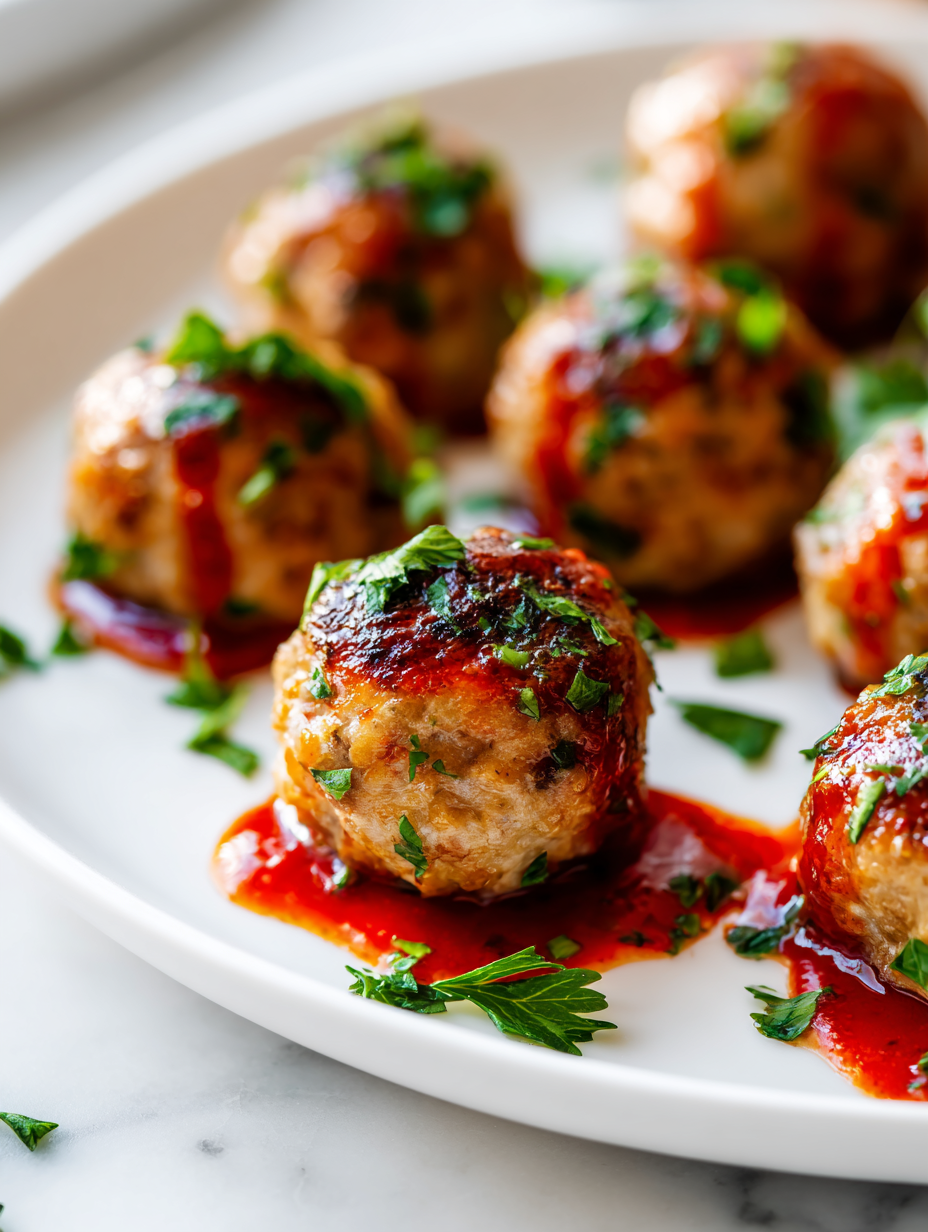
Homemade Meatball Appetizers
Ingredients
Equipment
Method
- Combine ground beef, breadcrumbs, minced garlic, chopped parsley, beaten egg, grated Parmesan, a pinch of salt and pepper in a large bowl. Mix gently with your hands until just combined, being careful not to overmix to keep the meatballs tender.
- Shape the mixture into small, rustic balls about 1 inch in diameter, using your hands. Place them on a lined baking sheet or set aside for frying.
- If frying, heat enough oil in a skillet to cover about 2-3 inches and heat until shimmering (~180°C / 350°F). If baking, preheat your oven to 200°C (390°F) and line a baking sheet with parchment paper.
- Fry the meatballs in batches, turning every 2-3 minutes, until they are golden brown and cooked through, about 8-10 minutes. Alternatively, bake the meatballs for 20 minutes until they are crispy on the outside and firm inside.
- Use a cooking thermometer to check that the internal temperature reaches 70°C (160°F), ensuring they are fully cooked. Drain on paper towels if fried to remove excess oil.
- Serve the meatballs warm, with toothpicks or your favorite dipping sauce. These rustic bites are best enjoyed immediately, bursting with flavor and warmth.
Pro Tips and Tricks
- Bolded mini-head: Use your hands to gently fold ingredients; it keeps the mixture tender and prevents compactness.
- Bolded mini-head: Keep oil at a steady 180°C (350°F); temperature drops cause greasy, soggy meatballs.
- Bolded mini-head: For extra crispiness, chill the shaped meatballs for 15 minutes before frying or baking.
- Bolded mini-head: When frying, don’t overcrowd the pan; this cools the oil and results in uneven browning.
- Bolded mini-head: Use a slotted spoon to turn meatballs; it prevents breaking and keeps their shape intact.
- Bolded mini-head: Rest fried meatballs on paper towels briefly; it helps drain excess oil and keeps them crispy.
- Bolded mini-head: If baked, broil for the last 2 minutes to get a smoky, golden exterior.
Common mistakes and how to fix them
- TOO MUCH MEAT: Overpacking leads to dense meatballs—use gentle mixing, don’t overwork the mixture.
- UNDERESTIMATED OIL: Not enough oil causes sticking and uneven browning—use enough for a good fry or bake.
- OVERCOOKED: Burning or drying out—watch heat and timing closely, especially during frying.
- MISSED TEMP CHECK: Internal temp below 70°C (160°F) means undercooked—use a thermometer for accuracy.
Quick Fixes for Meatball Mishaps
- If meatballs are sticking, splash a little extra oil in the pan to loosen them up.
- When oil smokes too much, patch with fresh, cooler oil to prevent burning and keep sizzling.
- Splash a bit of water if the meatballs are browning too quickly and risk burning.
- When meatballs turn out dense, rescue with a gentle fold and add a splash of broth or water to keep moisture.
- Pan too dry? Shield with foil for even reheating and add a small splash of oil to revive crispness.
Prep, store, and reheat tips
- You can prep the meatball mixture a day in advance; keep it chilled in the fridge for up to 24 hours. The flavors meld and become more cohesive, making shaping easier.
- Shape the meatballs and store them on a baking sheet lined with parchment, covered tightly with plastic wrap. They can stay in the fridge for up to 24 hours before cooking without losing moisture.
- Cooked meatballs can be stored in an airtight container in the fridge for 2-3 days. Reheat gently in a warm oven or microwave until just hot, noticing the juicy, savory aroma returning with each pass.
- For longer storage, freeze uncooked or cooked meatballs. Wrap tightly in foil or freezer bags, and they’ll keep well for up to 3 months. Thaw in the fridge overnight before reheating, watching for a slight defrosted sheen and fragrant warmth.
- Reheating meatballs should be done gently—oven at 180°C (350°F) for 10-15 minutes, or microwave for short bursts. Keep an eye out for a warm, tender texture and a burst of meaty aroma in the air.
Top questions about meatball appetizers
1. Can I bake these meatballs instead of frying?
Yes, you can bake them instead of frying. Bake at 200°C (390°F) for about 20 minutes until golden and cooked through.
2. Can I substitute turkey for beef?
Using ground turkey makes the meatballs leaner and milder. Just add a little extra oil or moisture to prevent dryness.
3. Can I make the meatballs in advance?
Yes, you can prepare the mixture ahead and keep it in the fridge for up to 24 hours before shaping and cooking.
4. How do I reheat cooked meatballs?
To reheat, warm them gently in the oven at 180°C (350°F) for about 10 minutes until hot and juicy again.
5. What kind of breadcrumbs should I use?
Use panko breadcrumbs for extra crunch or regular breadcrumbs for a softer bite. Both work well, just adjust the texture accordingly.
6. Why are my meatballs dense or tough?
Be sure not to overmix the ingredients; it can make the meatballs dense. Mix just until combined for tender bites.
7. How hot should the oil be for frying?
Ensure the oil is hot enough (around 180°C / 350°F) before frying to get a crispy exterior and prevent sticking.
8. Can I use dried herbs instead of fresh?
Adding fresh herbs like parsley or basil brightens the flavor, but dried herbs can be used if fresh aren’t available.
9. How do I know when they’re done?
Keep an eye on them while frying or baking; they should be golden, firm outside, and have an internal temp of 70°C (160°F).
10. Can I freeze meatballs for later?
You can freeze uncooked meatballs on a tray, then transfer to a bag; cook directly from frozen when needed.
These messy, warm bites are more than just an appetizer—they’re a reminder that imperfection can be the most comforting part of a meal. When you toss a few on a platter, it’s the chaos, the aroma, and the slightly uneven shapes that bring people closer. There’s a real joy in sharing something that’s as honest and lively as a family gathering.
In a time when everyone’s rushing, these meatballs slow us down, even just for a moment. They’re imperfect, yes, but that’s exactly what makes them memorable—crisp outside, juicy inside, and full of stories we’ll tell again and again.

Hi, I’m Claire Dawson, and I’m the voice behind The Procrastinators Cookbook. Food has always followed me around, even when I was busy putting other things off. Somewhere between long café shifts, half-finished to-do lists, and meals cooked later than planned, I realized that food was the one thing I always came back to.